Leather Conditioning Without the Hype: What Actually Works
What leather conditioner can and cannot do, how often a bag actually needs it, which leathers should never be conditioned, and why humidity matters more.
Reviewed by Maya Ellis · Updated Sep 2, 2026
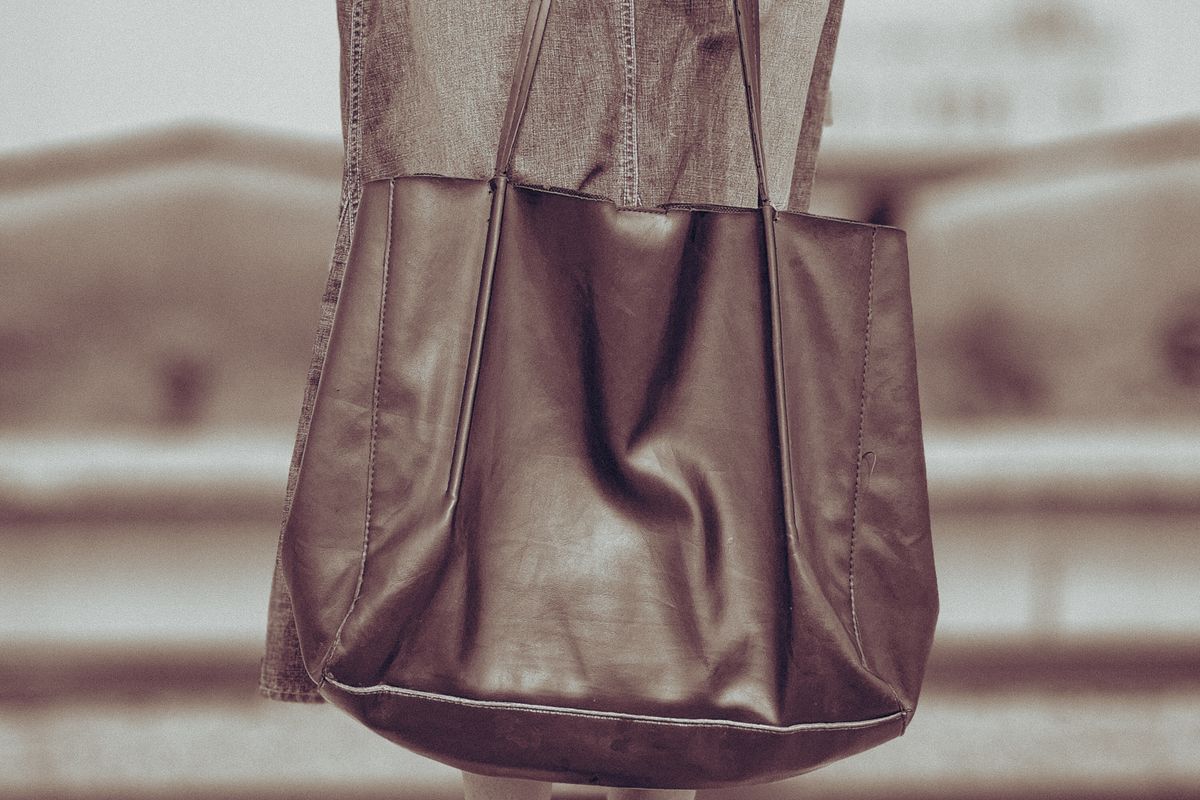
Leather conditioner does one job: it replaces some of the oil leather loses over time and slows the drying that ends in cracking. It does not restore leather, fill a scratch or bring back colour.
What conditioning can and cannot do
It can slow moisture loss in dry, heated rooms, keep a surface from going stiff, and — on full-grain and vegetable-tanned leathers with little finish — feed the fibres enough to stay supple. It cannot repair a cut, lift a stain, or make coated leather absorb anything.
What it prevents is embrittlement, not dirt. Conservation guidance treats very dry conditions, below roughly 30% relative humidity, as the cause of brittleness, and a dressing applied afterwards does not undo that once the fibres have gone. On scratches, run a fingernail across the mark: if the nail catches, the fibres are severed and you are looking at a repair. Shallow marks on full-grain often respond to warmth and a little conditioner.
Most bags need it twice a year, not monthly
Two independent care guides put a daily-use bag at every three to six months and an occasional-use bag at once or twice a year. New leather arrives with its oils intact, so wait for the signs — a dull, greyish surface, or stiffness that resists bending — rather than work to a calendar.
Doing it more often causes damage. Over-conditioning softens structure, which is tolerable on a boot upper and not on a bag panel that has to hold a shape; it leaves a tacky surface that collects dust; and it darkens the finish unevenly, most visibly on cream and natural-tan leathers. A wax-heavy boot product shifts colour further than a light cream. When a brand recommends monthly conditioning, that is a product calendar, not a leather one.
The leathers you should not condition at all
Suede and nubuck are napped leathers, and conditioner mats the nap. They want a soft brush, a suede eraser and a protector spray — Coach’s own care guidance sends suede to an eraser and brush, not a cream.
Patent and other lacquered or heavily coated finishes are sealed, so conditioner cannot reach the fibres beneath and sits on top as a greasy, cloudy film. Coach lists coated canvas and fabric for a damp cloth only, and metallic finishes for a gentle wipe. Corrected-grain and heavily finished leathers behave the same way: little absorbency is left.
Products worth keeping, and the ones that only add shine
Worth the shelf space: a lint-free cloth, water for routine wiping, a mild pH-balanced cleaner, one conditioner matched to the leather, and a breathable dust bag.
Less useful: food oils, which can turn rancid inside the leather and leave permanent stains; silicone-heavy dressings; and mink oil on a fine-grain handbag, where it darkens noticeably. High-solvent shine products mostly lay a film on the surface. Test any new product on a hidden area, such as the inside of a flap, and wait a day.
Storage and humidity beat any product
Where the bag lives matters more than what you put on it. Conservation guidance puts the stable range at roughly 45% to 55% relative humidity at 18 °C to 20 °C, and mould needs above roughly 65% to grow. A radiator, a sunlit windowsill and a damp basement do the most harm, and dryness embrittles leather as reliably as damp.
Stuff the bag loosely to hold its shape, keep it in cotton or a breathable dust bag rather than plastic, and keep it out of direct sun. The same logic applies to tarnish and to shoes.
FAQ
- How often should a leather bag be conditioned?
- For a bag carried daily, every three to six months; for one used occasionally, once or twice a year. New leather arrives with its oils intact, so there is nothing to replace yet.
- Can conditioner remove scratches from leather?
- It can blend shallow surface marks on full-grain leather by rehydrating displaced fibres. If a fingernail catches in the mark, the fibres are cut and conditioner will not close it.
- Should I condition suede or patent leather?
- No. Conditioner mats the nap on suede and nubuck, and it cannot pass through the coating on patent or lacquered finishes, where it sits on the surface as a greasy film.
Maya Ellis
Writes about garment construction, leather goods and footwear specs. Started in retail floor management before moving to editorial research. How we research.